What is the Difference
In Formula 1, all teams must follow the same set of technical regulations, but there are still many differences in the cars that affect performance. Each team designs and builds its own chassis, aerodynamic package, and various components, leading to variations in speed, handling, and efficiency. Key differences include:
- Aerodynamics: Teams use different front and rear wing designs, floor shapes, and sidepod configurations to maximize downforce and reduce drag. This affects how well the car handles in corners versus how fast it is on straights.
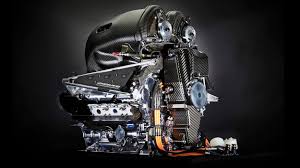
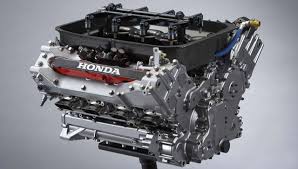
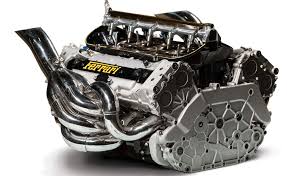
- Power Units: While there are only a few engine suppliers (like Mercedes, Ferrari, Honda/Red Bull Powertrains, and Renault), each power unit has unique characteristics in terms of power delivery, reliability, and energy recovery systems.
- Suspension and Setup: Teams use different suspension designs and tuning to suit their cars’ behavior and the specific requirements of each track.
- Weight Distribution and Cooling: Teams can adjust the placement of internal components to improve balance, and they use different cooling solutions depending on the climate and engine demands.
- Software and Electronics: Advanced control systems, data collection, and strategy software vary from team to team, influencing performance, tire management, and energy deployment.
These differences mean that some cars perform better on high-speed circuits, while others may excel on tight, technical tracks. It's this engineering freedom within strict rules that drives competition and innovation in F1.