The Raw Energy of Graffiti
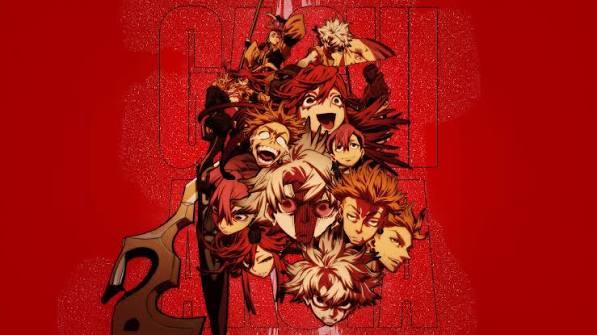
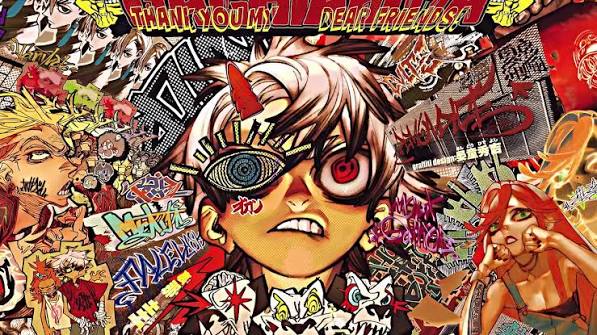
Finally, anime’s visual artistry shines brightest in its approach to character expression and action choreography, which Gachiakuta pushes to its absolute limits. During high-stakes combat or moments of intense psychological strain, the character designs intentionally break their standard models. The animation warps perspectives, exaggerates facial expressions into terrifying, impassioned snarls, and bends the rules of physics to convey the raw, unfiltered impact of a punch or the sheer desperation of a survivor. When characters wield their "Vital Instruments"—ordinary pieces of trash awakened into powerful weapons through deep emotional attachment—the visual effects explode with a dynamic, stylized energy that completely overtakes the screen. It is this sheer visual audacity, the willingness to prioritize emotional truth and kinetic impact over strict realism, that makes anime the ultimate form of visual media.
Breathtaking Beauty in Decay
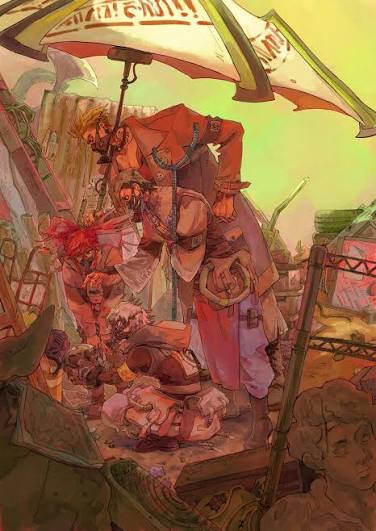
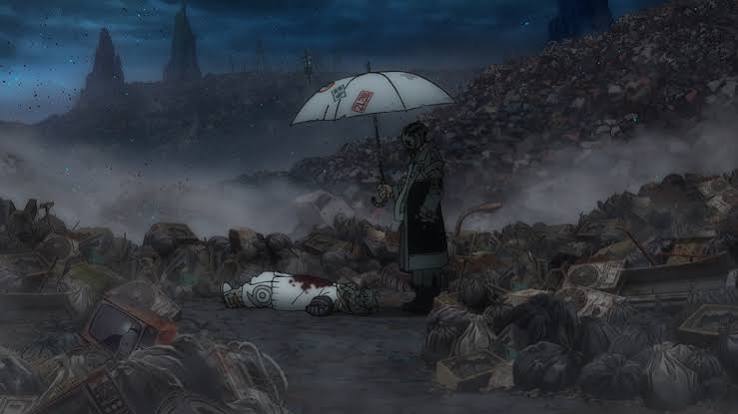
Furthermore, anime excels at meticulous environmental storytelling, and Gachiakuta uses this strength to find striking beauty in absolute decay. The setting of the "Ground"—a toxic, polluted wasteland buried under mountains of discarded trash from the wealthy society floating above it—could easily have been a drab, visually muddy backdrop. Instead, the animation team meticulously renders the junk with incredible, almost suffocating detail. Piles of broken electronics, rusted metal, and shattered glass are drawn with such care that the environment feels claustrophobic yet visually mesmerizing. By utilizing a highly saturated, neon-tinged color palette against the dark, grimy backgrounds, the visual artistry forces the viewer to see the hidden value and tragic beauty in discarded things, perfectly mirroring the central theme of the entire series.