Cold
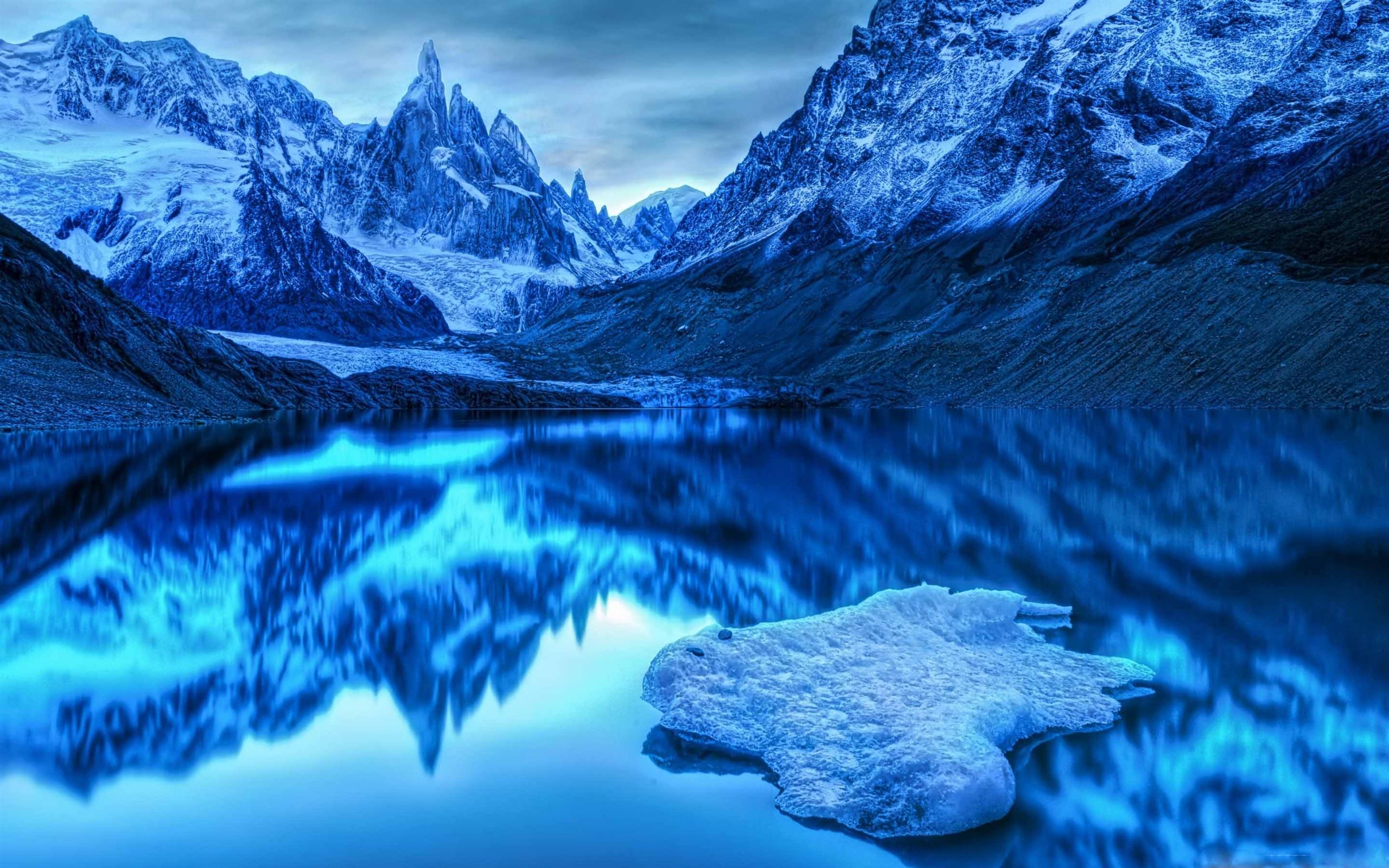
Cold weather is a seasonal phenomenon experienced across much of the world, often marking the transition into winter or persisting throughout long polar nights in regions far from the equator. As temperatures plummet, the atmosphere changes dramatically: air becomes crisp and dry, breath becomes visible in the early morning light, and landscapes transform into frozen tableaux. In many places, the arrival of cold weather brings the first snowfall of the year, blanketing everything in a soft, white stillness that seems to mute the noise of the world. Trees become etched in frost, ponds freeze over, and the ground becomes hardened and unyielding beneath layers of ice. The natural world adapts as animals begin to hibernate, migrate, or grow thicker coats to endure the chill. For humans, cold weather often requires substantial lifestyle changes—wardrobes shift to include layers, woollen scarves, and insulated boots, and homes must be heated with fireplaces, central heating, or heavy curtains to trap warmth. It also demands heightened attention to health, as the risk of illnesses like colds, flu, or hypothermia increases, particularly among vulnerable populations such as the elderly or those without adequate shelter.
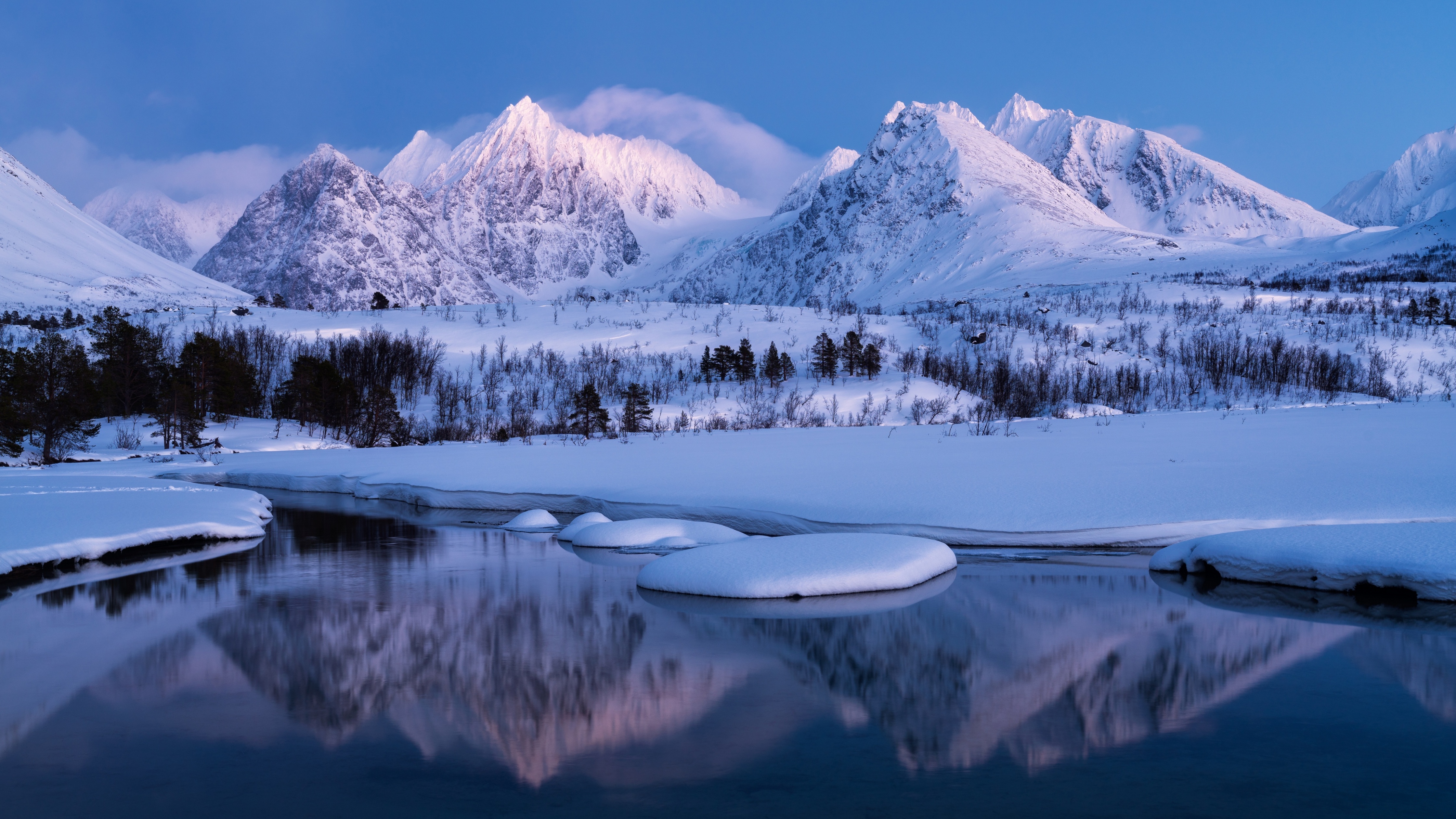
Despite the challenges it brings, cold weather carries with it a certain beauty and calm that many find both inspiring and comforting. The silence of a snowy morning, broken only by the crunch of boots on ice or the distant call of a winter bird, evokes a deep sense of peace and solitude. It’s during these colder months that people often draw closer together—gathering indoors to share meals, exchange stories, and create warmth through companionship. Cultural traditions and holidays celebrated in the winter often revolve around themes of light and warmth, providing contrast and comfort against the cold and dark. Think of the cozy glow of candles in windows, the scent of hot chocolate or mulled wine in kitchens, or the familiar hum of holiday music playing faintly in the background of a bustling indoor market. For some, cold weather means skiing down icy slopes or lacing up skates on frozen lakes, while for others, it’s the quiet joy of reading beneath a blanket or watching snowflakes fall from the safety of a warm room. In literature and film, winter settings are often used to evoke introspection, resilience, or stark emotional truths, reflecting the inward turn that many people experience during the cold season.

However, cold weather can also expose deep social inequities and infrastructural vulnerabilities. In regions where heating is expensive or housing is inadequate, even a modest drop in temperature can pose life-threatening risks. Homeless populations suffer disproportionately during cold snaps, and energy insecurity affects families who must choose between heating their homes and other essentials like food or medicine. In rural areas, snow and ice can cut off entire communities, making it difficult to access emergency services or replenish supplies. Cold weather also puts added strain on public systems: roads become treacherous, transit systems slow or halt, and hospitals see an increase in admissions due to accidents, respiratory illnesses, or complications from chronic conditions worsened by the cold. Furthermore, extreme cold, particularly when accompanied by strong winds or blizzards, can lead to school closures, disrupted work schedules, and widespread power outages. Climate change complicates these patterns by making cold weather events more unpredictable and, in some cases, more intense. While much attention has been paid to global warming, the instability of weather systems also means sudden polar vortexes or unexpected snowstorms can have devastating effects. Understanding and preparing for cold weather, therefore, involves not just personal precautions, but coordinated efforts in policy, urban planning, and social care to ensure that everyone remains safe and warm.