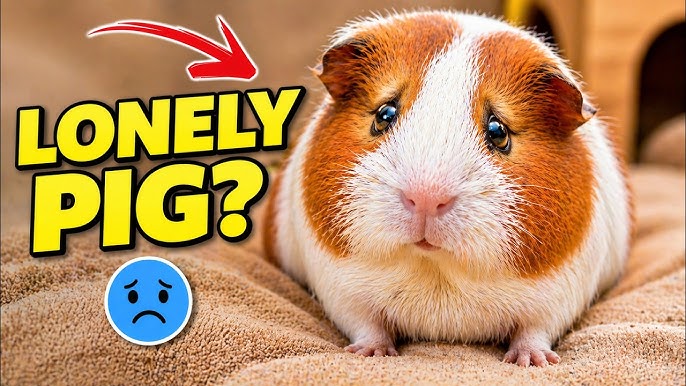
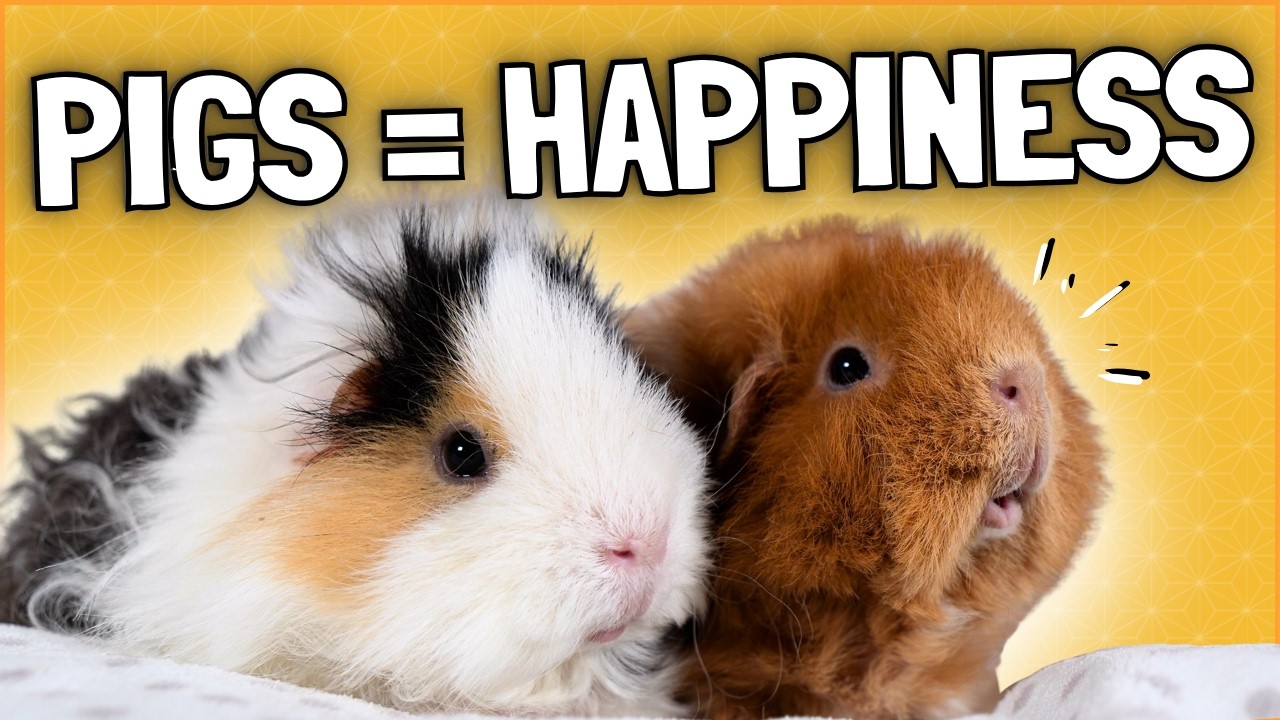
Guinea pigs are highly social animals that naturally live in groups in the wild. Because of this, they are happiest when they have the company of another guinea pig. They communicate in many different ways using both sounds and body language. One of their most well-known sounds is "wheeking," a loud squeal they make when they hear food being prepared or when they are excited. They also purr when they feel relaxed and comfortable, chatter their teeth if they are annoyed or angry, and make soft chirping or rumbling noises during social interactions. Their body language is just as important. Guinea pigs may nudge each other to show affection, sniff each other to gather information, or freeze completely if they sense danger nearby. A behavior called "popcorning," where they suddenly jump and twist in the air, is a clear sign that they are happy, playful, and full of energy.
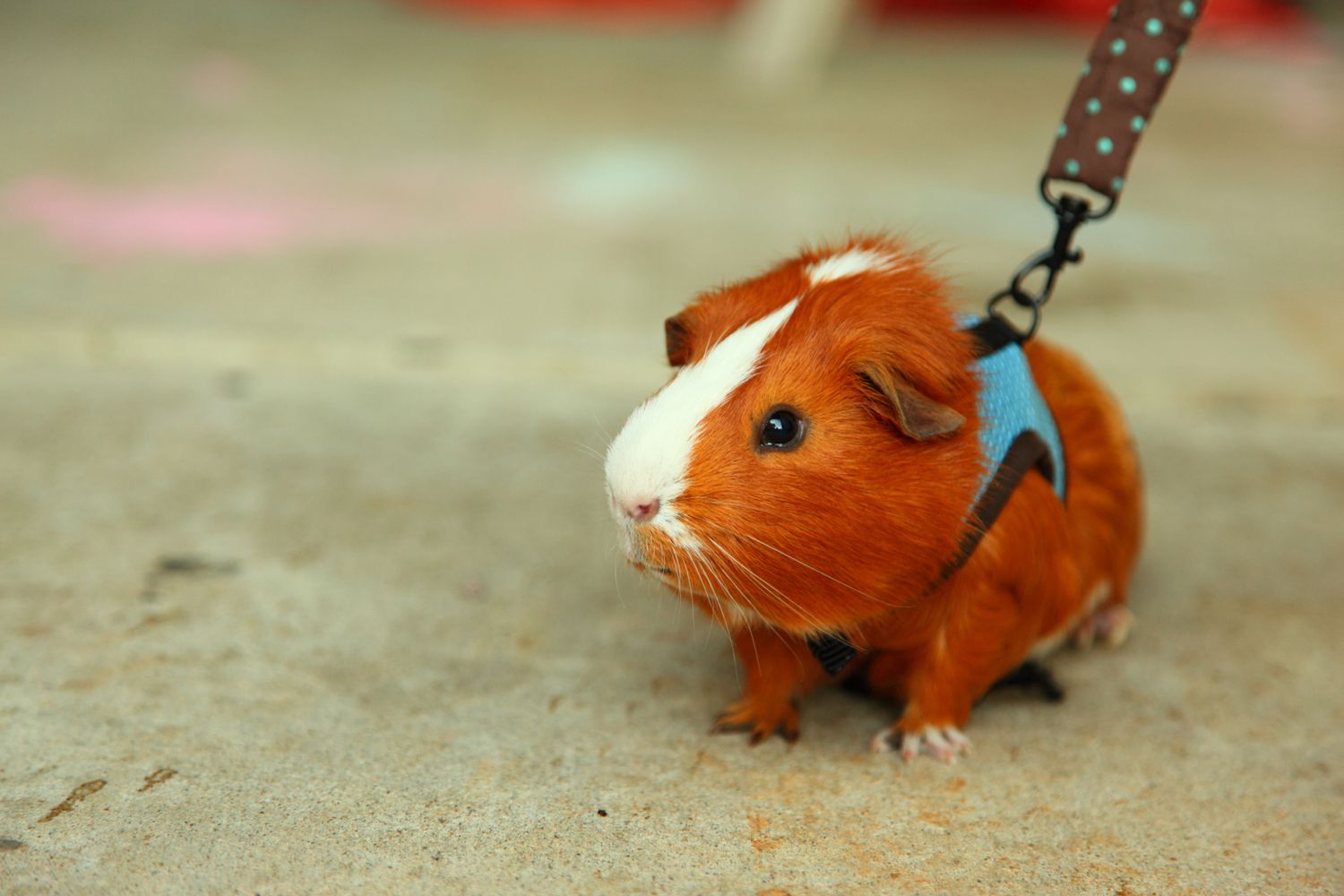
Guinea pigs are naturally curious and intelligent animals that enjoy exploring their environment. They spend much of their day searching for food, investigating new objects, and finding safe places to hide. Since they are prey animals, they have strong survival instincts and are often cautious around unfamiliar people, animals, or surroundings. Loud noises, sudden movements, or unfamiliar smells can frighten them, causing them to run into a hiding place or remain completely still until they feel safe again. As they become familiar with their owners, guinea pigs often become more confident and may greet them at the side of the cage, climb onto their lap, or accept food directly from their hand. They enjoy toys, tunnels, cardboard boxes, and obstacle courses that encourage exploration and mental stimulation. Providing a variety of enrichment activities helps prevent boredom and encourages natural behaviors such as foraging, chewing, and investigating.
A guinea pig's daily routine is centered around eating, resting, grooming, and interacting with its surroundings. Unlike many other pets, guinea pigs eat small amounts throughout the day, with hay making up most of their diet because it supports healthy digestion and keeps their continuously growing teeth worn down. They also need fresh vegetables, clean water, and a source of vitamin C, as they cannot produce this essential vitamin on their own. Guinea pigs usually take short naps instead of sleeping for long periods, remaining alert in case they need to escape from danger. They groom themselves regularly and sometimes groom their companions as a sign of trust and bonding. Healthy guinea pigs are active, alert, and interested in their surroundings, while changes in behavior, such as hiding constantly, refusing food, or becoming unusually quiet, may indicate illness or stress. By understanding their natural behaviors and providing a spacious enclosure, regular social interaction, enrichment, proper nutrition, and gentle handling, owners can help guinea pigs live long, healthy, and happy lives.
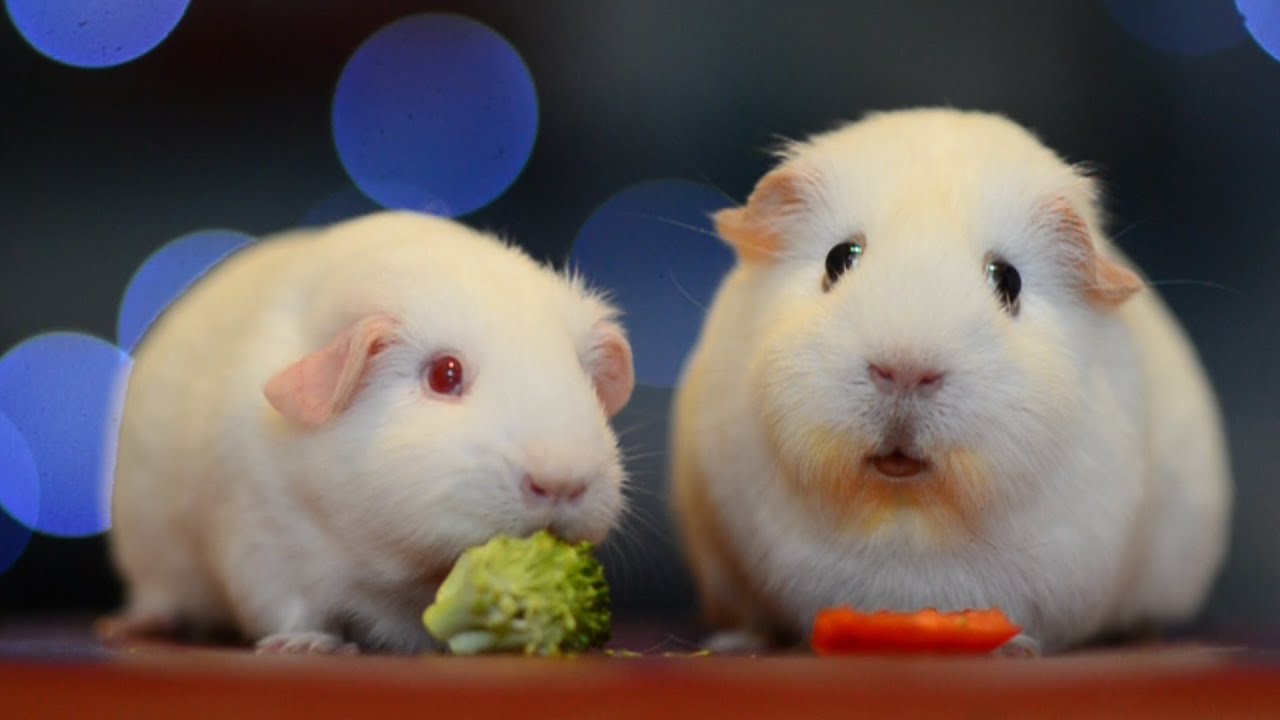
Guinea pigs require a balanced diet to stay healthy and live long lives. The most important part of their diet is fresh hay, which should always be available because it helps keep their digestive system working properly and prevents their teeth from becoming overgrown. They also need a variety of fresh vegetables every day, including leafy greens such as romaine lettuce, parsley, and capsicum, which provide important nutrients. Unlike many other animals, guinea pigs cannot produce their own vitamin C, so they must get it from their food or supplements. Fresh, clean water should always be available, and sugary treats or foods that are toxic to guinea pigs, such as chocolate, onions, and potatoes, should never be given.
Providing guinea pigs with the right living environment is just as important as feeding them a healthy diet. They need a spacious enclosure with enough room to run, play, and explore, as regular exercise helps keep them physically fit and mentally stimulated. Soft bedding should be kept clean and dry to reduce the risk of infections and maintain good hygiene. Guinea pigs also need places to hide, such as wooden shelters, tunnels, or cardboard boxes, because these help them feel safe and reduce stress. Since they are social animals, they usually thrive when housed with another compatible guinea pig, provided introductions are done carefully. With proper housing, regular cleaning, gentle handling, and routine veterinary care, guinea pigs can live happy, healthy lives for five to eight years or even longer.