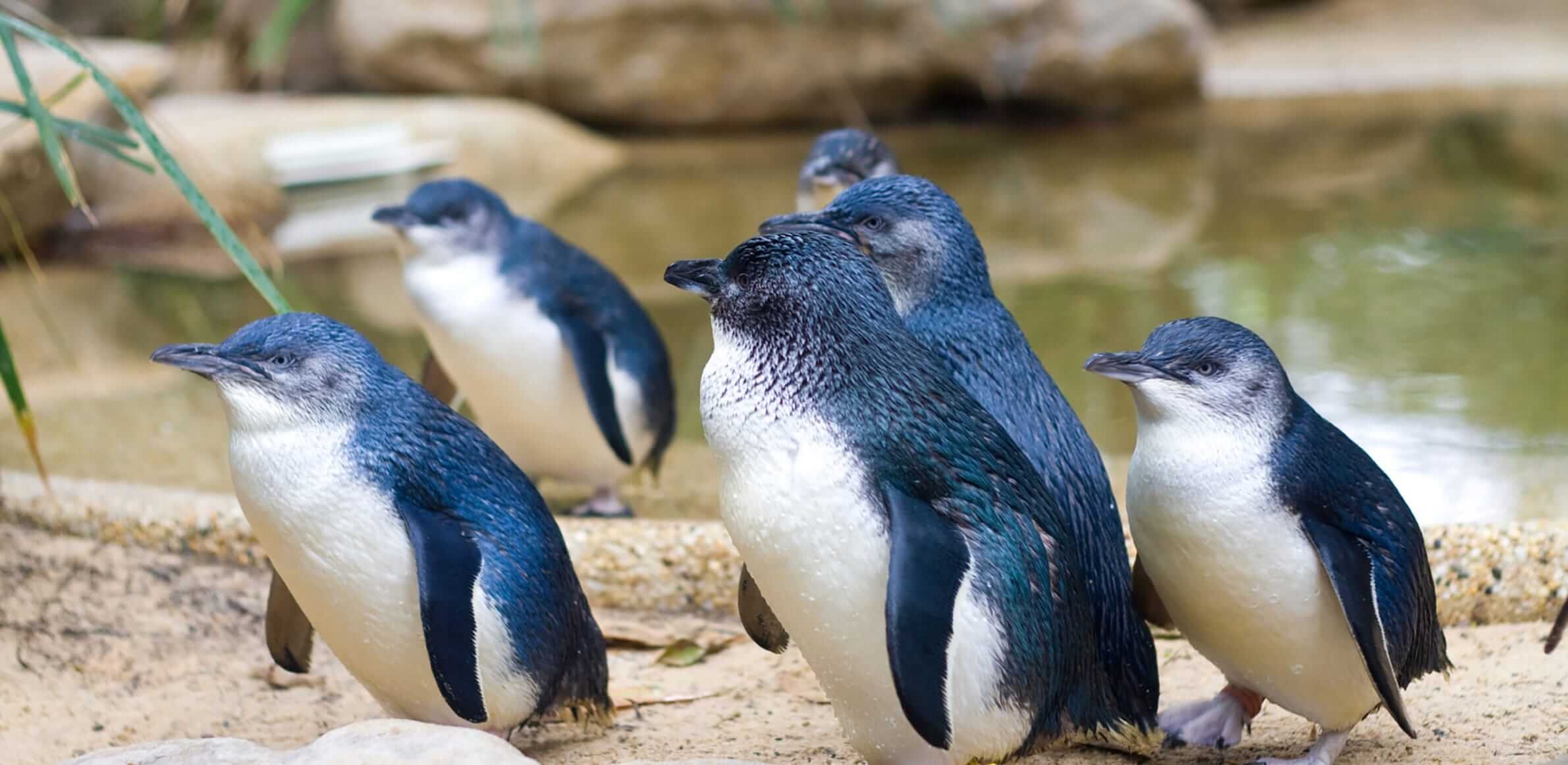
The bird of the antarctic
Penguins are flightless, semi-aquatic seabirds found almost exclusively in the Southern Hemisphere, highly adapted for marine life with countershaded black-and-white plumage, flipper-like wings, and insulating blubber. They are expert swimmers that hunt fish, krill, and squid, with species like the emperor penguin exhibiting specialized behaviors like huddling for warmth.
Penguins possess highly specialized senses adapted for both marine hunting and terrestrial life, featuring exceptional underwater vision, a keen sense of smell for foraging, and a sensitive, touch-responsive beak. They can see ultraviolet light, hear underwater, and, despite limited taste receptors, rely on a robust, varied sensory system to navigate, forage, and communicate in extreme environments.
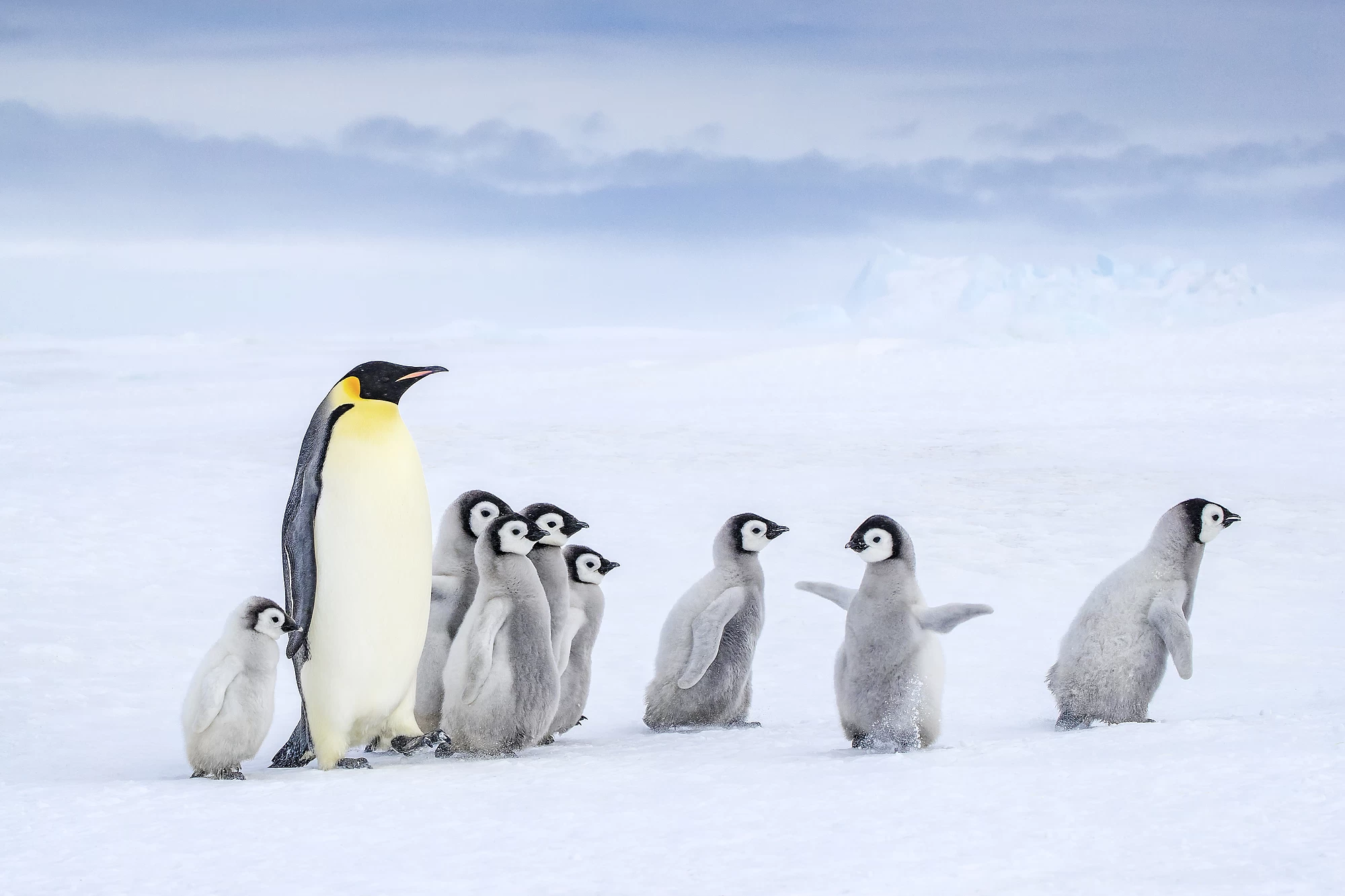
Penguin eggs are typically incubated on the feet of the parent, covered by a warm, featherless "brood pouch" to survive freezing Antarctic temperatures. Emperor penguins lay one, while other species usually lay two. Male emperors incubate for 65-75 days without eating. The egg is about 11–13 cm long and weighs 345–515g.
There are 17-19 species of penguin: